
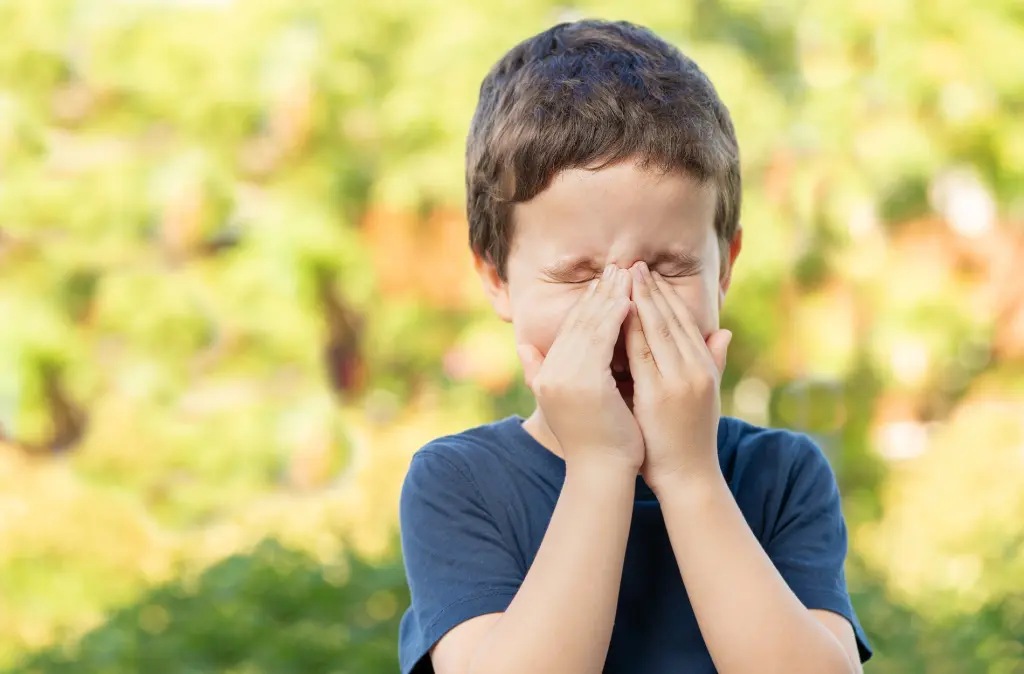
The most common back-to-school illnesses are colds, flu, strep throat, stomach bugs, pink eye, ear infections, and hand, foot, and mouth disease. When should you keep your child home from school? Keep them home with a fever of 100.4°F or higher, vomiting, or diarrhea, and wait until they are fever-free for 24 hours without medication.
When the school year starts in Bangor, ME, germs spread fast and kids bring home more than homework. This guide covers the most common illnesses during back-to-school season, how to spot the early signs, simple ways to keep your family healthy, and when to head in for care. You will learn what to watch for, how long symptoms usually last, and where to get fast treatment close to home.
Why Do Kids Get Sick When They Go Back to School?
The reason is simple. When kids gather in classrooms, hallways, and cafeterias, they share close space for hours every day. Young children touch shared surfaces, put hands near their faces, and often forget to wash up. That mix creates an easy path for viruses and bacteria to move from one child to the next.
Younger immune systems also meet new germs they have not faced before. On average, children catch six to eight colds a year, and many of those hit during the fall and winter months. Cooler weather pushes activities indoors, where germs linger longer in warm, closed spaces. Sleep schedules shift and stress rises during the first weeks of the term, and both of those lower the body’s defenses.
None of this means your child is unhealthy. It means they are living a normal school life. The goal is not to avoid every germ. The goal is to reduce exposure, catch illness early, and get proper care when symptoms point to something more serious.
What Are the Most Common Back-to-School Illnesses?
Most back-to-school sickness comes from a short list of familiar culprits. Knowing what each one looks like helps you respond faster and decide when your child needs to see a provider.
The Common Cold
The common cold is the most frequent illness kids bring home. It spreads through droplets in the air and through hands that touch shared surfaces. Symptoms include a runny or stuffy nose, sneezing, mild cough, sore throat, and sometimes a low-grade fever.
Colds usually run their course in seven to ten days. Rest, fluids, and over-the-counter comfort measures handle most cases. Watch for signs that a cold has turned into something more, like a fever above 102°F, ear pain, or a cough that lingers past two weeks. Those signs mean it is time for a checkup.
Influenza (Flu)
The flu hits harder and faster than a cold. It comes on suddenly with high fever, body aches, chills, headache, fatigue, and a dry cough. Kids with the flu often feel too sick to get out of bed.
Flu season in Maine typically ramps up in the fall and peaks in the winter. Because the flu can lead to complications in young children, early care matters. Antiviral treatment works best when started within the first 48 hours of symptoms. A yearly flu vaccine remains the best way to lower your child’s risk.
Strep Throat
Strep throat is a bacterial infection that spreads quickly in schools. Unlike a cold, it usually skips the runny nose and cough. Instead, look for a sudden sore throat, painful swallowing, fever, swollen glands, and sometimes white patches on the tonsils.
Strep needs a proper test to confirm, and it needs antibiotics to clear. Left untreated, it can lead to complications. A quick strep test gives you an answer fast so treatment starts right away.
Gastroenteritis (Stomach Bug)
The stomach bug, often called the stomach flu, causes nausea, vomiting, diarrhea, stomach cramps, and sometimes a low fever. It spreads through contaminated food, surfaces, and close contact. In a classroom, one sick child can pass it to many others within days.
Most stomach bugs clear within one to three days. The main risk is dehydration, especially in younger kids. Keep your child hydrated with small, frequent sips of water or an electrolyte drink. If your child cannot keep fluids down, shows signs of dehydration, or has a fever that will not break, seek care.
Pink Eye (Conjunctivitis)
Pink eye spreads easily among younger children who rub their eyes and share supplies. Symptoms include redness, itching, discharge, and crusting around the eyelids. It can be viral, bacterial, or caused by allergies.
Bacterial pink eye often needs antibiotic drops. Because it spreads so fast, many schools ask kids to stay home until treatment starts or symptoms improve. A quick visit sorts out the cause and gets your child back to class sooner.
Ear Infections
Ear infections often follow a cold. Fluid builds up behind the eardrum and bacteria take hold. Kids may complain of ear pain, tug at their ears, run a fever, or have trouble sleeping. Younger children who cannot describe the pain may just seem fussy.
Some ear infections clear on their own, and others need antibiotics. A provider can look inside the ear and decide the right path. Untreated ear infections can affect hearing, so pain that lasts more than a day deserves attention.
Hand, Foot, and Mouth Disease
This viral infection shows up most in younger children and daycare settings. It causes fever, mouth sores, and a rash with small blisters on the hands and feet. It spreads through saliva, fluid from blisters, and stool.
There is no specific treatment beyond comfort care and fluids. It usually clears within seven to ten days. Because it is contagious, keep your child home until the fever is gone and blisters begin to heal.
How Can You Protect Your Child During Back-to-School Season?
You cannot stop every germ, but small habits lower the odds of illness spreading through your home. Teach and reinforce these steps early in the school year, before the first wave of sickness hits.
Handwashing is the single most effective habit. Show your child how to scrub with soap for at least 20 seconds, especially before eating and after using the bathroom. Keep hand sanitizer in their backpack for times when a sink is not nearby.
Sleep and nutrition support a strong immune system. School-age children need nine to twelve hours of sleep each night. Fill their plates with fruits, vegetables, and water instead of sugary drinks. A well-rested, well-fed body fights off germs better.
Stay current on vaccines. The yearly flu shot is the most important one for back-to-school season. Make sure routine childhood vaccines are up to date before the term begins. If your child is behind, a quick visit can get them caught up.
Teach your child not to share cups, utensils, or water bottles, and to cover coughs and sneezes with an elbow instead of a hand. Clean high-touch surfaces at home like doorknobs, phones, and light switches. These small steps add up during a busy school week in Bangor and the surrounding towns.
When Should You Keep Your Child Home From School?
Deciding whether to send your child to school is one of the hardest calls parents face. A few clear guidelines make it easier.
Keep your child home if they have a fever of 100.4°F or higher, are vomiting, have diarrhea, or feel too sick to take part in class. A child should stay home until they are fever-free for 24 hours without medication. That rule protects your child and their classmates.
Can I Send My Kid to School With a 99.5 Temperature?
A temperature of 99.5°F is slightly above the average of 98.6°F but below the fever mark of 100.4°F. If your child feels well, has no other symptoms, and is eating and acting normally, it is generally fine to send them to school. Watch them closely, keep them hydrated, and recheck their temperature. If it climbs to 100.4°F or higher, or new symptoms appear, keep them home and consider a visit for care.
What to Do If Your Child Gets Sick
When your child comes down with something, start with rest and fluids. Most colds and stomach bugs improve on their own with time and comfort care. Keep them home, offer plenty of water, and let them sleep as much as they need.
Watch for warning signs that call for medical attention. These include a high or lasting fever, trouble breathing, dehydration, severe pain, a stiff neck, a rash that spreads quickly, or symptoms that get worse instead of better. Trust your instincts. You know your child best.
For anything that needs a provider, you do not have to wait a long time or crowd into an emergency room. Pine Tree Urgent Care in Bangor treats colds, flu, strep throat, ear infections, pink eye, stomach bugs, and more for kids of all ages. We are open 8:00 AM to 8:00 PM every day, and we welcome walk-ins along with scheduled visits. Our on-site digital X-ray and on-site testing mean you get answers during one visit instead of driving across town for follow-up.
Where Can You Get Fast Care in Bangor, ME?
Families across Bangor, Brewer, Hampden, Orono, Old Town, Hermon, and the wider region turn to Pine Tree Urgent Care for fast, friendly treatment without long waits. We are locally and provider-owned, so you get warm, personal care from people who live in your community.
We handle pediatric urgent care, cold and flu treatment, strep and COVID testing, and physicals of all kinds. When your child needs a school physical, a sports physical, or a checkup before the season starts, we make it simple. Our sports physicals are available for $25. We accept most major insurance plans, including Medicare and MaineCare, so care stays within reach for more families.
Our clinic sits at 557 Hammond St in Bangor. Whether you book ahead or walk in, you get seen quickly by a provider who takes time to listen. On-site medication dispensing is coming soon, which means you can pick up antibiotics and other non-controlled medications right here without a second stop.
Back-to-school season brings germs, but sickness does not have to slow your family down. Pine Tree Urgent Care in Bangor, ME offers fast, warm, walk-in care from 8:00 AM to 8:00 PM daily, with on-site X-ray, testing, physicals, and pediatric care all in one place. When your child needs to feel better fast, call us at 207-471-6200 or stop by 557 Hammond St to be seen without the long wait.
Frequently Asked Questions
How long does a common cold last in kids?
Most colds in children last seven to ten days. The worst symptoms usually peak within the first three days and then fade. If a cold lasts longer than two weeks, brings a fever above 102°F, or comes with ear pain, bring your child in for a checkup.
Do I need an appointment to be seen for a back-to-school illness?
No appointment is required. Pine Tree Urgent Care welcomes walk-ins every day from 8:00 AM to 8:00 PM. You can also book a scheduled visit ahead of time if you prefer to save your spot.
Does Pine Tree Urgent Care treat kids?
Yes. We provide pediatric urgent care for children of all ages, including treatment for colds, flu, strep throat, ear infections, pink eye, and stomach bugs. We also offer school and sports physicals for the new school year.
Can you test for the flu and strep throat at your clinic?
Yes. We offer on-site testing for the flu, strep throat, and COVID, so you get answers during your visit. Fast results mean treatment starts sooner and your child recovers faster.
