
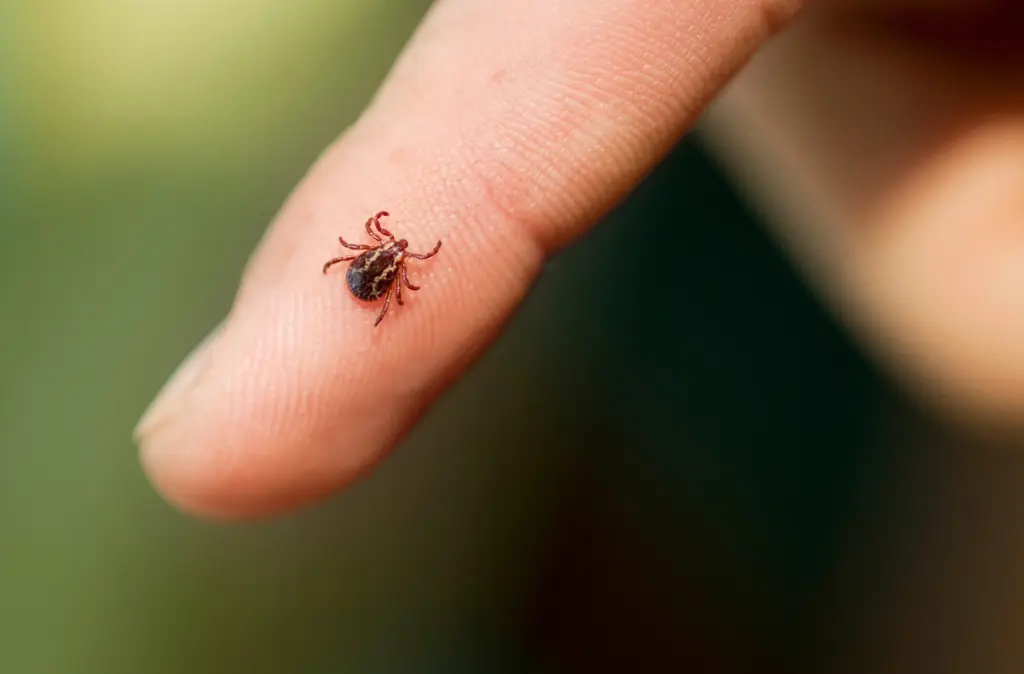
Fall tick bites in Maine are more common than most people expect, and knowing when to visit urgent care can protect you from Lyme disease and other tickborne illnesses. This guide explains how to spot a normal tick bite versus one that needs medical attention, how soon antibiotics matter, and where Bangor-area residents can get fast walk-in care.
Why Fall Tick Bites Still Happen in Maine
Many people think ticks disappear once summer ends. They do not. Deer ticks, the kind that carry Lyme disease, stay active in Maine well into fall and even early winter as long as temperatures stay above freezing. Cool, damp autumn weather across Bangor, Brewer, Hampden, and the surrounding towns keeps ticks searching for hosts through October and November.
If you hike, rake leaves, hunt, walk your dog, or spend time near wooded edges and tall grass, your risk stays real through the fall. That is why fall tick bites deserve the same attention you would give a summer bite.
When to Visit Urgent Care for a Fall Tick Bite
Not every tick bite needs a clinic visit, but some do. You should visit urgent care if you cannot fully remove the tick, if the tick was attached for 24 hours or more, or if you start to feel unwell in the days and weeks after a bite.
Watch closely for these warning signs:
- A spreading red rash, especially a bull’s-eye pattern around the bite
- Fever, chills, or sweats
- Flu-like symptoms such as body aches, fatigue, or headache
- Joint pain or swelling
- Swollen lymph nodes near the bite
A bull’s-eye rash is one of the clearest signs of early Lyme disease. If you see one, get evaluated quickly. Early treatment works, and waiting makes things harder to manage.
What a normal tick bite looks like versus Lyme
A normal tick bite usually shows a small red bump that fades within a few days, similar to a mosquito bite. Mild redness and itching right at the bite site is common and often harmless.
A Lyme-related rash is different. It tends to grow larger over several days, often reaching two inches or more, and frequently forms a ring or target shape. This rash may feel warm but is rarely itchy or painful. If redness keeps expanding instead of fading, treat that as a reason to come in.
How Soon Do You Need Antibiotics After a Tick Bite
Timing matters. For deer tick bites in areas where Lyme is common, including much of central and eastern Maine, a single preventive dose of antibiotics works best when taken within 72 hours of tick removal. After that window, preventive dosing becomes less reliable, and providers watch for symptoms instead.
If you develop a bull’s-eye rash or other signs of infection, a full course of antibiotics is the standard treatment. The sooner you start, the better your outcome. This is why a quick visit after a fall tick bite in Bangor often saves you from a longer, more complicated illness later.
What to Do Right After You Find a Tick
Remove the tick as soon as you notice it. Use fine-tipped tweezers, grip the tick as close to your skin as possible, and pull straight up with steady pressure. Do not twist or crush it. Clean the area with soap and water or rubbing alcohol afterward.
Avoid home remedies like petroleum jelly, nail polish, or a lit match. These do not work and can make the tick release more saliva into your skin. Once removed, note the date and keep an eye on the bite site for several weeks.
If the tick’s head stays stuck or you cannot remove it cleanly, come in and let a provider handle it safely.
Fast, Local Tick Bite Care in Bangor, ME
At Pine Tree Urgent Care, you get prompt evaluation without the long ER waits. We are located at 557 Hammond St in Bangor and open 8:00 AM to 8:00 PM every day. Walk-ins are welcome, and you can also save your spot ahead of time.
Our providers assess the bite, check for signs of infection, and start antibiotics on site when appropriate. With on-site medication dispensing for antibiotics and non-controlled medications, you often leave with treatment in hand instead of making a second stop. We accept Medicare, MaineCare, and most major insurance plans, so care stays accessible for families across Bangor, Brewer, Hampden, Orono, Old Town, and nearby towns.
Frequently Asked Questions
Do I need to go to urgent care if a tick bites me?
Not always. A quick visit is worth it if the tick was attached for 24 hours or more, if you cannot remove it fully, or if you develop a rash, fever, or flu-like symptoms afterward.
What month are ticks most active in Maine?
Deer ticks are most active in late spring and again in fall, roughly October through November, whenever temperatures stay above freezing. Fall bites are common across the Bangor area.
How soon should I get seen after a tick bite?
For the best chance at preventive treatment, come in within 72 hours of removing the tick. If symptoms appear later, get evaluated as soon as you notice them.
Can I get antibiotics the same day at your clinic?
Yes. When antibiotics are appropriate, we dispense them on site, so you can start treatment without a separate pharmacy trip.
Get Checked Before a Tick Bite Turns Serious
A fall tick bite is easy to brush off, but early care makes all the difference. If you found a tick, see a spreading rash, or feel flu-like symptoms, visit Pine Tree Urgent Care in Bangor for fast walk-in treatment, on-site digital X-ray, and same-day medication dispensing. Stop in any day from 8:00 AM to 8:00 PM, or save your spot online. We are here to give you warm, local care when you need it most.
